Has your vision turned cloudy again after cataract surgery? You’re not alone — and you don’t have new cataracts. What you’re likely experiencing is posterior capsule opacification (PCO), often called a “secondary cataract.” The good news: it’s treatable in minutes with a simple, painless outpatient procedure called a posterior capsulotomy, also known as a YAG laser capsulotomy.
At Griffin Eye Center, board-certified, fellowship-trained ophthalmologists Dr. Sarah E. Griffin and Dr. Neil B. Griffin specialize in diagnosing and treating PCO.
What Is Posterior Capsule Opacification (PCO)?
During cataract surgery, your eye’s cloudy natural lens is removed and replaced with a clear artificial intraocular lens (IOL). The thin membrane that holds this new lens in place — the posterior capsule — is intentionally left in place to support the implant.
Over time, cells can grow across this capsule, causing it to cloud over. When that happens, light can no longer pass cleanly through the lens, resulting in blurred or hazy vision that can feel just like the cataract has “come back.”
PCO is one of the most common long-term effects of cataract surgery and can develop months or even years after your original procedure.
Cataracts vs. Secondary Cataracts: What’s the Difference?
This is one of the most common questions our patients ask, so it’s worth stating clearly: cataracts do not grow back. A “secondary cataract” is not a new cataract at all — it’s cloudiness in the capsule membrane behind your IOL. Unlike your original cataract, PCO is corrected with a quick laser treatment rather than surgery.
Signs You May Need a Posterior Capsulotomy
If you’ve previously had cataract surgery, watch for these common symptoms of posterior capsule opacification:
- Blurry or cloudy vision
- Increased glare or halos around lights, especially at night
- Difficulty driving after dark
- Reduced contrast, dullness, or fading color clarity
- Vision that feels similar to when your original cataract first developed
If any of these symptoms sound familiar, schedule an evaluation with Griffin Eye Center. Our ophthalmologists will confirm whether PCO is the cause of your blurred vision or whether another eye condition needs attention.
What Is a Posterior Capsulotomy (YAG Laser Capsulotomy)?
A posterior capsulotomy is a quick, in-office laser procedure that creates a small, precise opening in the cloudy posterior capsule. This allows light to pass freely to the retina again, restoring the clear vision you had after your original cataract surgery.
The procedure uses a specialized YAG laser (Yttrium-Aluminum-Garnet laser) and typically takes only a few minutes to complete.
Unlike cataract surgery, a YAG laser capsulotomy requires no incisions, and your existing artificial lens implant stays securely in place throughout.
What to Expect During Your YAG Laser Capsulotomy
Griffin Eye Center’s ophthalmologists perform this treatment right in the office. Here’s what patients can expect:
- Dilation: Your eye is dilated with special drops before treatment.
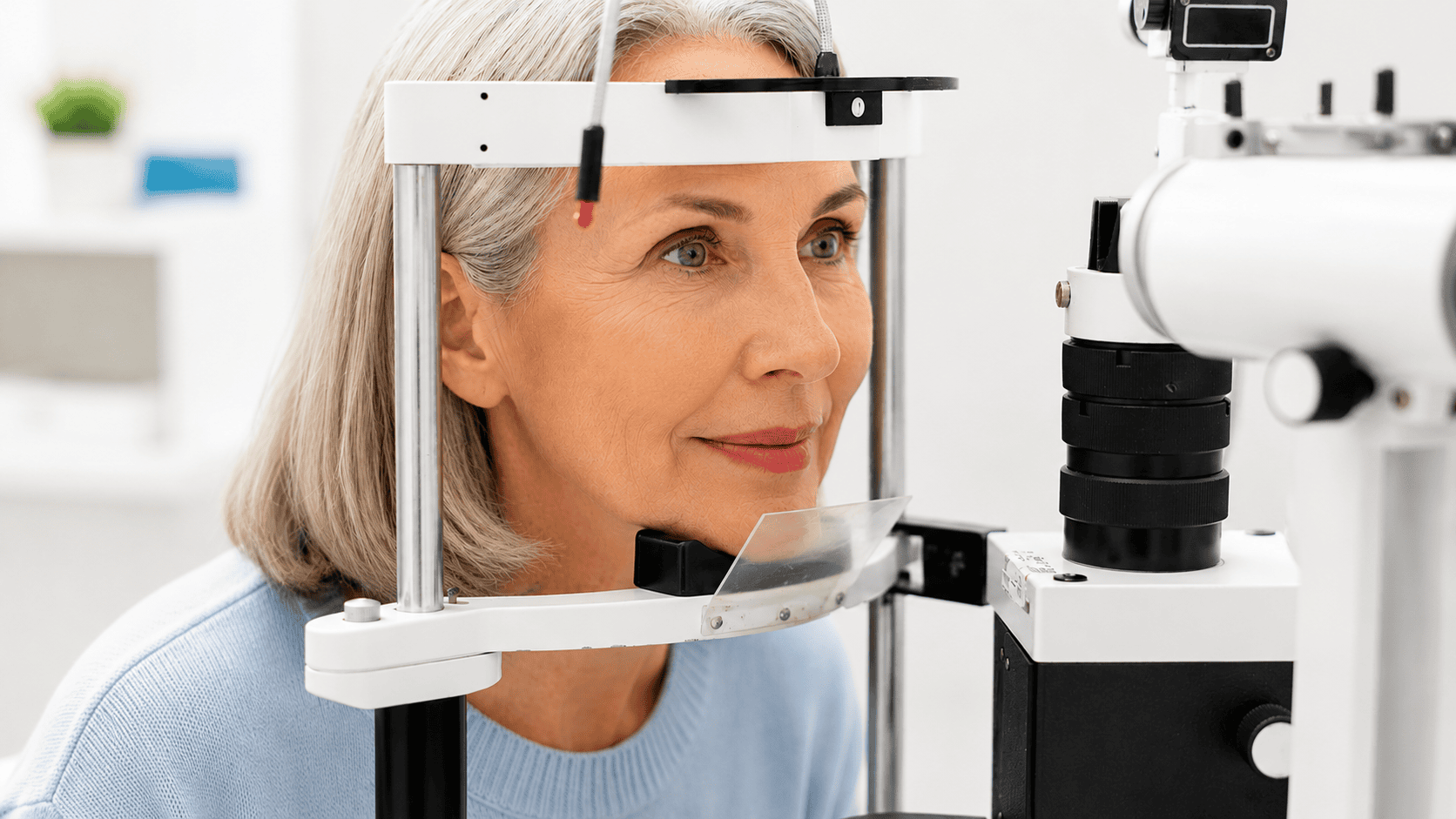
- Positioning: You sit comfortably at the laser, similar to equipment used during a routine eye exam.
- Treatment: The YAG laser creates a small opening in the cloudy capsule — most patients feel no pain, though you may notice brief flashes of light.
- Duration: The entire treatment usually takes less than 10 minutes.
- Recovery: Most patients resume normal daily activities the same day.
How Soon Will My Vision Improve After a Posterior Capsulotomy?
Many patients notice sharper, clearer vision within a few hours of treatment. Others experience gradual improvement over the following day or two as the eye fully adjusts.
Does Posterior Capsule Opacification Come Back?
In most cases, no. Once the cloudy portion of the capsule has been opened with the YAG laser, it typically does not cloud over again. The vast majority of patients need only one posterior capsulotomy per treated eye.
Frequently Asked Questions About Posterior Capsulotomy
Is a posterior capsulotomy the same as cataract surgery? No. Cataract surgery removes your eye’s natural lens. A posterior capsulotomy is a laser procedure that clears the membrane behind an existing lens implant — it involves no incisions and no lens replacement.
How long does a YAG laser capsulotomy take? The procedure itself usually takes less than 10 minutes, making it one of the fastest treatments in ophthalmology.
Will insurance cover a posterior capsulotomy? Because PCO is a recognized medical condition, this procedure is typically covered by vision and medical insurance, including Medicare. Our team at Griffin Eye Center can help verify your specific coverage.
How many times can you have a posterior capsulotomy? Most patients only need the procedure once per eye, since the capsule rarely clouds again after treatment.
Why Choose Griffin Eye Center for Your Posterior Capsulotomy?
At Griffin Eye Center, our experienced ophthalmologists specialize in cataract surgery and LASIK, and that focus carries through to how we treat PCO. Whether you need advanced cataract surgery, LASIK vision correction, or a YAG laser posterior capsulotomy, our team uses advanced diagnostic technology and personalized, one-on-one care to determine the right treatment for you.
Schedule Your Posterior Capsulotomy Evaluation Today
If you’ve had cataract surgery and your vision has become cloudy again, a posterior capsulotomy could restore the sight you’ve been missing.
Contact Griffin Eye Center in Myrtle Beach, SC today to schedule your evaluation and find out whether a YAG laser posterior capsulotomy is right for you.
Griffin Eye Center | 900 Medical Circle, Myrtle Beach, SC 29572 | (843) 449-6414